
- HALO platform for image analysis at scale
- Addresses pathology needs rather than a generic suite
- Scales to organization-wide healthcare rollouts

Indica Labs
HALO digital pathology image analysis platform
SF7.6
SF Score editorial score across features, ease, and value, based on public reviews and product research. Learn more →
Route cases for specialty reviewPathology labs and pharma research
Route cases for specialty reviewPathology labs and pharma research
Best for
Pathology labs and pharma research
Pricing
Custom
SoftFinders Score
7.6 / 10
Overview
What is Indica Labs?
Indica Labs is a digital pathology platform for pathology labs and pharma research, combining HALO image management with quantitative tissue analysis.
- Clinical role: It supports slide workflow, image analysis, and case prioritization rather than autonomous diagnosis, so pathologist review remains essential before clinical sign-off.
- Best-fit environment: Pathology labs and pharma research teams may gain the clearest value when digital pathology infrastructure and review workflows are established.
- Implementation checks: Buyers should assess lab information system integration, scanner compatibility, tissue-specific validation evidence, workflow requirements, and review processes before broader deployment.
- Commercial model: Pricing is sales-led and scoped per buyer rather than publicly posted, making implementation needs an important purchasing consideration.
Indica Labs is best evaluated through a pilot that tests HALO workflow fit before rollout.
KEY FEATURES
What you get out of the box
Biomarker Tools
Tools to explore quantitative biomarkers
Workflow Routing
Routes cases through pathology lab steps
Lab Integration
Connects with lab information systems
Quality Review
Supports quality control across cases
Research Modules
Modules for translational research workflows
Case Sharing
Shares cases across teams for second review
USE CASES
Where teams put it to work
Route cases for specialty review
Prioritize complex pathology cases
Bridge pathology labs and biopharma
Support image analysis for cancer cases
Enable telepathology consult workflows
Manage digital pathology slides centrally
Editorial Take
What we like, and what to verify
- Best value requires digital pathology investment
- Pathologist sign-off required on every case
- Pricing is sales-led and needs scoping upfront
Screenshots
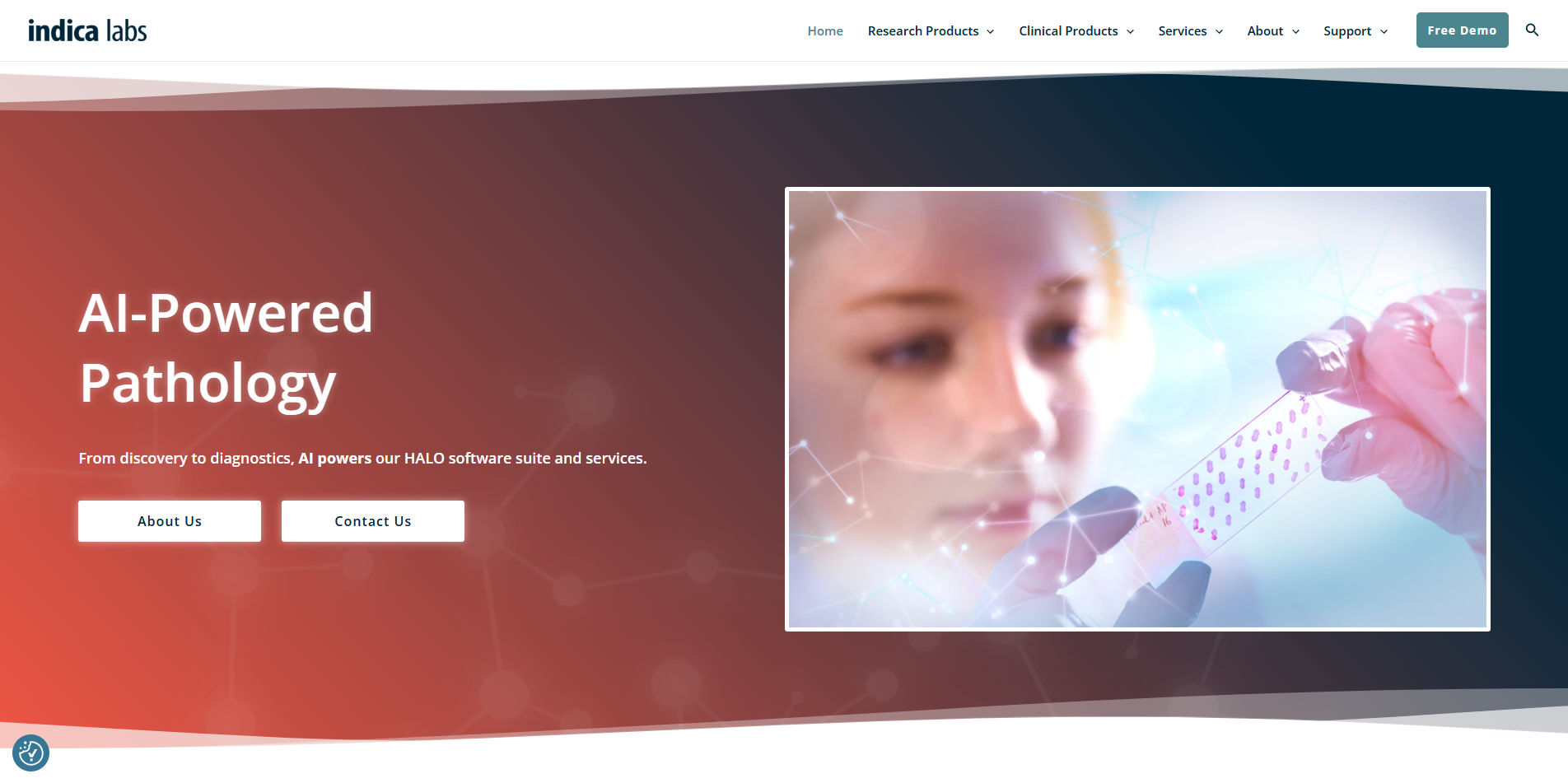
A look inside
Alternatives
Tools to consider next

Ibex Medical Analytics SF 7.8
Why consider it
AI cancer detection for biopsy slides

Visiopharm SF 7.5
Why consider it
Quantitative digital pathology image analysis

OptraHEALTH SF 6.8
Why consider it
AI for pathology and genomics knowledge

Aiforia SF 7.4
Why consider it
Cloud deep learning for tissue analysis

Mindpeak SF 7.2
Why consider it
Consistency-focused AI tumor analysis tools

PreciseDx SF 7
Why consider it
Quantitative AI cancer grading and risk
FAQ