


SAP S/4HANA
Enterprise ERP with embedded AI guidance
SF Score
SF Score editorial score across features, ease, and value. Learn more →
CATEGORY GUIDE
Compare AI tools for AI ERP Suite, AI Finance & Operations, AI ERP for Manufacturing, AI ERP for Services, AI ERP for Retail & Commerce, and ERP-Adjacent Data & AI Platform.
EDITOR'S PICKS
Hand-picked for category fit, not popularity
Enterprise ERP with embedded AI guidance
SF Score editorial score across features, ease, and value. Learn more →
Cloud ERP for finance-led enterprises
SF Score editorial score across features, ease, and value. Learn more →

Microsoft ERP with Copilot assistance
SF Score editorial score across features, ease, and value. Learn more →

Industrial ERP with embedded intelligence
SF Score editorial score across features, ease, and value. Learn more →
Showing 1-20 of 73 tools, plus the 4 editor’s picks above

AI supply orchestration for large enterprises

AI-powered cloud ERP for growth

AI spend management for finance teams

AI finance ERP for people driven enterprises
Industry cloud ERP with embedded AI

AI finance automation for global payables

Stop applying into the void
Manufacturing ERP for complex global operations

Affordable ERP suite with modular apps

Agentic planning for enterprise teams
Cloud ERP with practical AI automation

AI spend platform for finance teams

Project ERP for services organizations

Operational AI layer for enterprise data

Smart manufacturing platform with ERP depth

Adaptive ERP for global manufacturers

SMB ERP with SAP business intelligence

AI accounts payable automation for finance teams

AI reporting platform for finance compliance

AI FP&A for spreadsheet teams
Buyer’s guide
AI ERP software integrates financial, procurement, inventory, manufacturing, project management and reporting systems and leverages AI technology to minimize manual effort and identify operational risks. The right platform depends on your sector, current processes, data quality, integration needs, and whether you can manage a large implementation.
Quick answer
AI ERP is a type of enterprise resource planning software that leverages artificial intelligence (AI) to automate, forecast, analyze, identify anomalies, process documents, and support decision-making.
Best for
Companies requiring integrated business control in financial, supply chain, procurement, manufacturing, projects or service operations.
Watch out for
Data migration issues, excessive customization, integration issues, AI licensing terms that are hard to understand, user adoption challenges, and recommendations that the user cannot validate.
Top-rated pick
Modern ERP makes it possible to predict, identify irregularities, act on documents, and respond to queries about business data. AI manufacturing ERP systems utilize smart data to forecast material needs, plan a schedule for production, and proactively fix supply chain disruptions even before they happen.
When choosing new software for your business, test the real product using your real business work, instead of a fake setup created for a sales demo. Follow a process from ordering to delivery and payment, check an inventory exception, close a reporting period, and look out for AI generated recommendations. The platform's decision-making process must be easy and transparent, without hiding the records or assumptions supporting it.
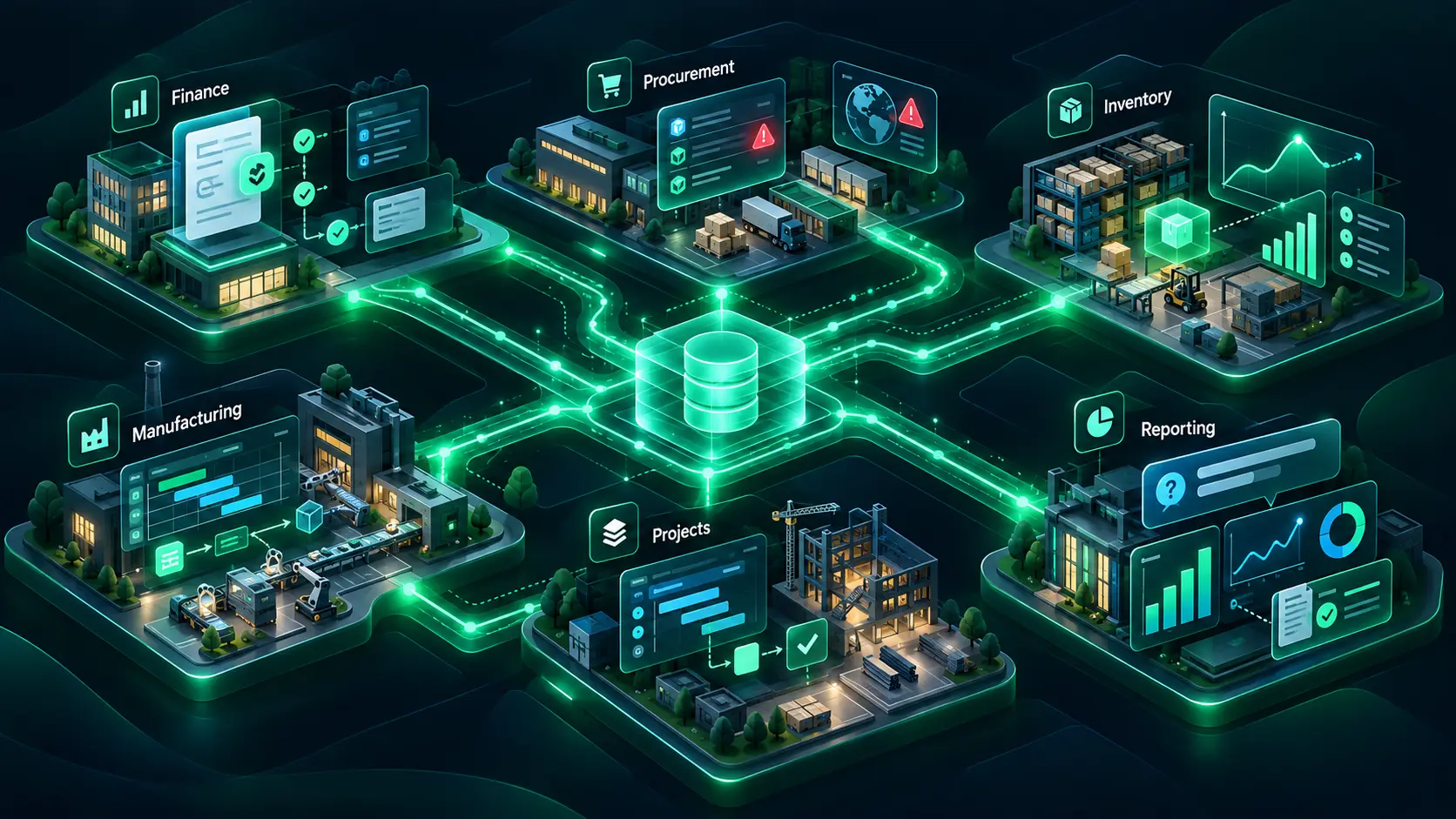
AI ERP software integrates AI capabilities, such as machine learning, natural-language support, predictive analytics, or generative AI, into these fundamental parts of business. It can automate the matching of invoices, predict demand, detect odd payments, sum up performance or suggest actions based on authorized operational data.
The category includes vast enterprise suites, mid-market tools, specialized finance systems, and AI manufacturing ERP software. Some products may include supplier intelligence or workforce insights, or AI performance management tools, whereas some may require a dedicated application for these functions.
AI tools might enhance your existing workflow, however, they still need a full-featured ERP system to manage your data and implement your business rules.
Minimize manual entry, reconciliation, paperwork, and time to prepare routine reports
Link finance, buying, inventory, manufacturing and projects together via common records and processes.
Utilize smart forecasts and alerts to fix shortages, cash problems, and supplier or production delays.
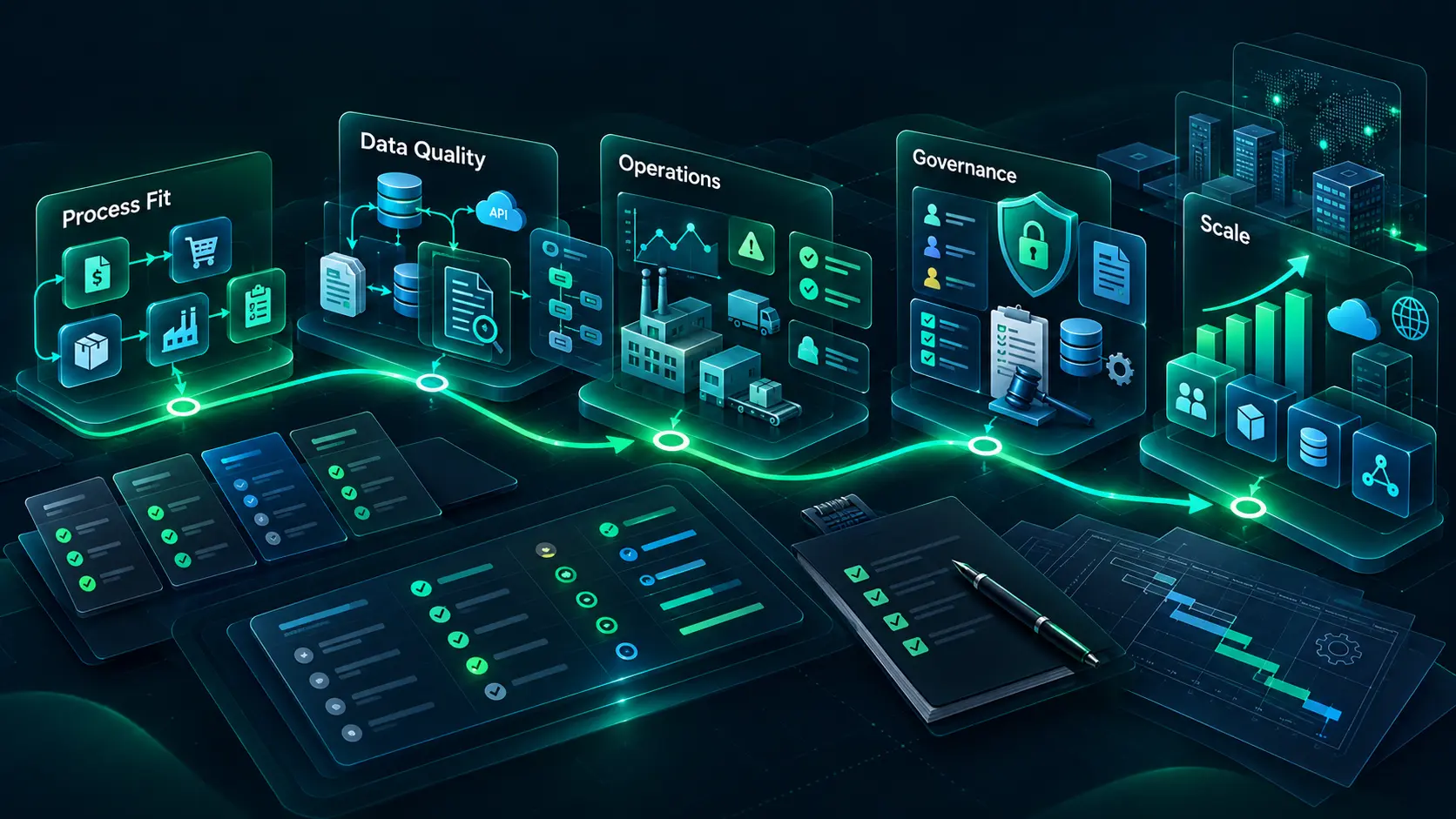
The factors that actually separate one tool from another — expand any for detail.
The bottom line
The best AI ERP solution is the one that is the most suitable for your operating model, based on reliable data, and can be implemented with minimal hassle. First focus on process fit and adoption, then impressive AI demonstrations!
Free expert help
Still weighing your options?
Tell us what you’re trying to do and we’ll point you to the right tools — from a real advisor, not a bot.
Get a free, tailored shortlist for your team, stack and budget.
Get adviceOne reply within a business day · never shared
Editorial guidance drawn from public reviews, product data and category fit — a starting point, not a substitute for your own evaluation. How we score →